Private, personalized mental wellness
Resilient Moment
AI support that did not require surrendering private thoughts.
Does it need the data it is asking for? A CBT exercise needs ten minutes of your attention, not a permanent copy of your history.
The problem
Quality mental health care remains out of reach for many people. We set out to widen access through personalized support without turning private reflection into a server-side profile.
The work
What I carried.
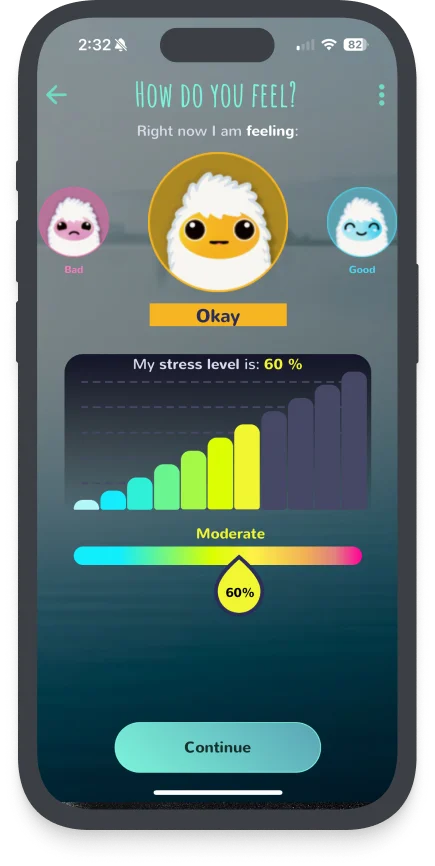
The Joyment app delivered personalized exercises informed by CBT, with sensitive user data processed and stored on the device.
- 01
Recruited and led 17 part-time contributors: mental health professionals, UX designers, product leads, go-to-market experts, and engineers. Owned the product and technical roadmaps.
- 02
Built the React Native app around on-device data and privacy-first defaults, then evaluated and integrated LLM, speech, voice, and image services. Model selection and prompt work cut LLM cost by 84%.
- 03
Ran a year-long beta with more than 130 users and input from more than 40 mental health professionals.
Selected outcomes
Decisions that mattered
Put privacy in the architecture
User history and personal material stayed on the device. Privacy was a data-flow decision, not a paragraph added before launch.
Measure the whole experience
The team tested the exercise, language, voice, onboarding, and perceived value with users and mental health professionals throughout the beta.
Joyment App by Resilient Moment showed me that useful AI depends as much on restraint and trust as it does on model quality.