Voice interaction and IoT
UCIC / Ubi
A computer you could address from across the room.
Would anyone miss it if it vanished? It answered from across the room, years before that was ordinary.
The problem
Consumer devices were becoming connected, but every interaction still began with a screen or a proprietary app. Voice offered a more natural control layer if it could be reliable and open enough to extend.
The work
What I carried.
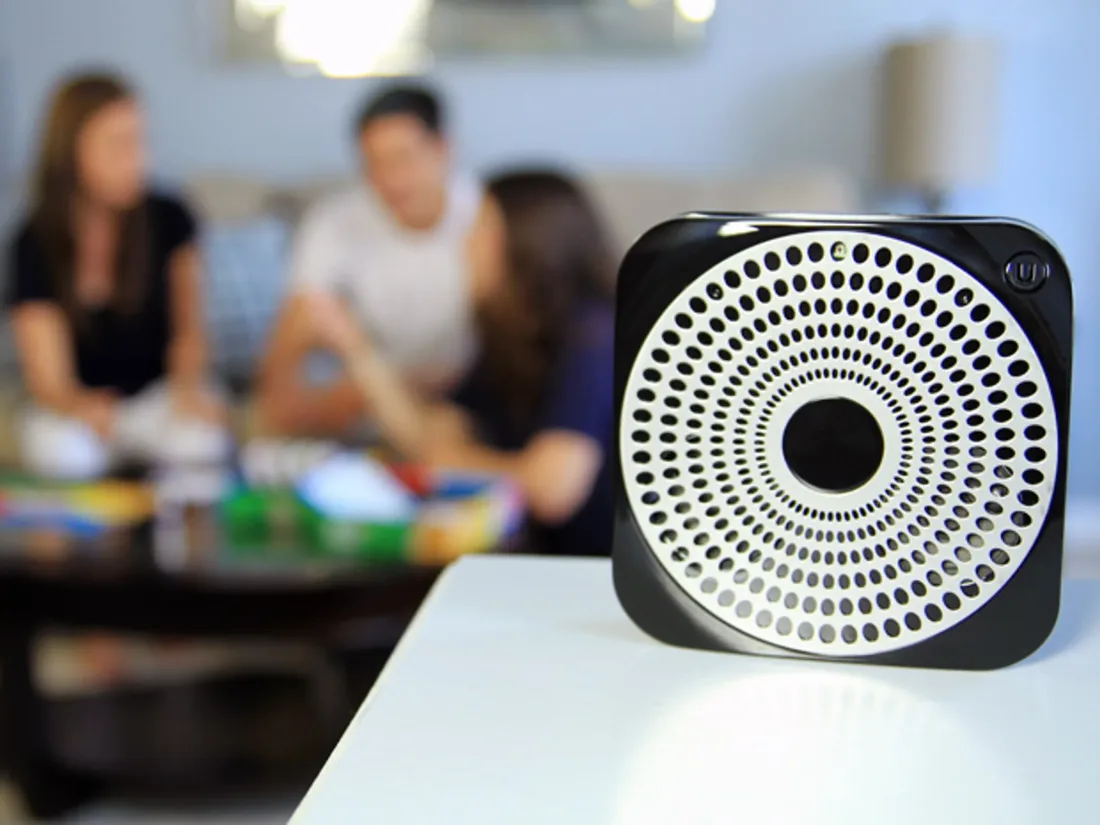
UCIC built voice interaction for connected products. Ubi brought an always-available, programmable voice interface into the home before the category settled.
- 01
Led research and development for AI and IoT cloud services on AWS.
- 02
Moved UCIC from selling a single device to selling an integration kit, so other companies could add voice to the products they already built.
- 03
Worked across speech recognition, text to speech, APIs, device integration, and the operational demands of an always-listening product.
Selected outcomes
Decisions that mattered
Sell the capability, not the box
Amazon was about to turn the standalone smart speaker into a commodity. Ubi was worth more as something other companies could build on, so the kit answered HTTP requests, called web APIs, and worked with services such as IFTTT.
Treat the room as the interface
Far-field speech, background noise, device state, and response timing mattered as much as the command grammar.
The work taught me early that ambient computing succeeds when the technology gets out of the way and the person stays in control.